
Whenever Apple announces a new iPhone lineup, it sets off a predictable pattern in the resale market — and if you own an iPhone 12, 13, or 14, it’s worth understanding exactly what happens next.
Resale Values Start Dropping Immediately
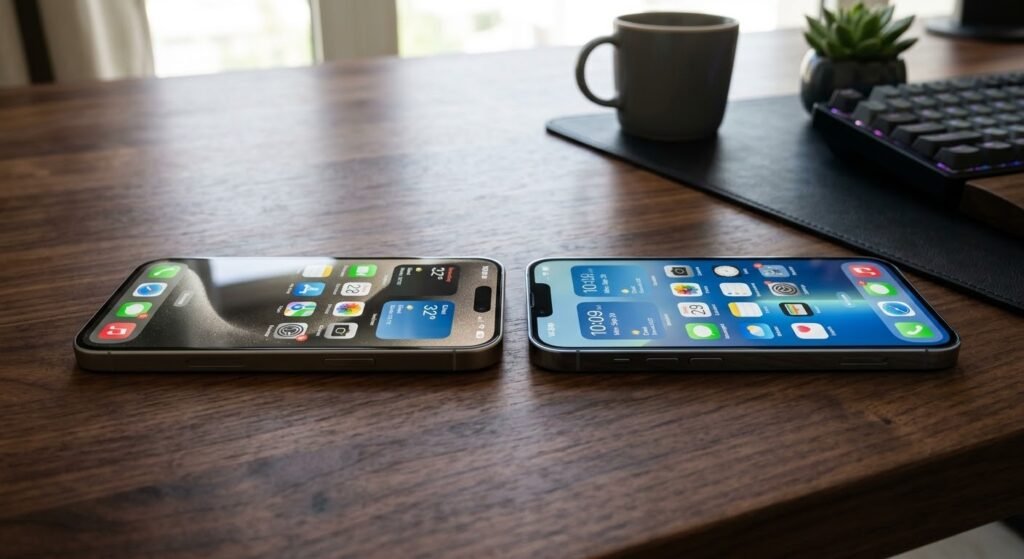
The moment a new iPhone is announced, older models — even ones just a generation behind, like a 14 sitting next to a newly launched 15 — start losing resale value. Buyers shift their attention and budget to the newest release, which softens demand for what came before it.
The Drop Continues for Months
This isn’t a one-time dip. As the new model becomes more available and prices settle, older iPhones keep depreciating gradually over the following months, especially once rumors about the next generation start circulating.
What This Means for iPhone 12, 13, and 14 Owners
The older the model, the steeper the relative drop tends to be. A two- or three-generation-old iPhone 12 typically loses value faster, proportionally, than a more recent iPhone 14 — simply because buyer demand concentrates more heavily on the newest few generations.
What This Means If You’re Upgrading
If you’re planning to move to a newer iPhone, the best time to sell your current one is now — before the market fully adjusts to the new release. Waiting even a few months can mean a noticeably lower offer for the exact same phone.
Condition Still Matters Most
Regardless of timing, a well-maintained iPhone with healthy battery life and no screen damage will always fetch more than one that isn’t — so a quick clean-up and factory reset before selling never hurts.
Selling Before vs. After a Launch — Which Is Better?
Selling before a launch almost always means a better price, since you’re catching your phone’s value at its highest point. Selling after means accepting that the market has already adjusted downward — still worthwhile, just less than it could have been.
Does Trading In Before a Launch Always Guarantee the Best Price?
Timing helps, but it isn’t the only factor. A well-maintained iPhone with strong battery health sold slightly after a launch can still out-value a heavily worn iPhone of the same model sold at the ideal moment. Condition and timing work together — neither one on its own guarantees the top offer.
Curious what your current iPhone is worth today? Get an instant, no-obligation quote from Celltrade.ae and get paid on the spot.
Why Does a New Launch Affect Older Models So Much?
Buyer attention is a limited resource. When Apple unveils a new lineup, media coverage, social conversation, and shopper interest all shift almost overnight toward the newest models — even among people who ultimately can’t afford or don’t want the flagship. That shift in attention reduces demand for older iPhones in the secondary market, which is what drives the price adjustment, rather than anything changing about the older phone itself.
Does This Pattern Repeat Every Year?
Yes — this is a predictable, recurring cycle tied to Apple’s annual release schedule rather than a one-off event. Anyone who has watched the resale market across a few launch cycles will recognise the same pattern each time: a dip around launch, a gradual settling over the following months, and renewed interest in older models once the newest phone’s price stops feeling “new.”
What Should You Do If You Missed the Best Window?
If a new iPhone has already launched and you didn’t sell beforehand, the honest answer is that your device is very likely worth somewhat less today than it would have been a few weeks earlier — but it’s still worth getting a real quote rather than guessing, since condition, storage, and battery health all still play a meaningful role in the final number regardless of timing.